In today's fashion landscape, the humble tote handbag has evolved from a simple carryall to a statement piece that reflects personal style, values, and practical needs.
As consumers become more conscious about quality, sustainability, and versatility, understanding the materials behind your favourite fashion tote handbags becomes essential. This comprehensive guide explores the diverse world of tote bag materials, helping you make informed choices that align with your lifestyle and values.
The Enduring Appeal of Leather Tote Handbags
Types of Leather for Premium Totes
Leather remains a perennial favorite in the world of fashion tote handbags, prized for its durability, luxury feel, and ability to develop a beautiful patina over time. Genuine leather totes offer exceptional longevity, with high-quality pieces often lasting decades rather than seasons. Full-grain leather, the highest quality available, features the entire grain structure of the hide, making it remarkably strong while developing a unique character with use.
Leather Tanning Processes: Environmental Considerations
When shopping for leather fashion tote handbags, consider the tanning process. Vegetable-tanned leather uses natural tannins from plant sources, resulting in an eco-friendlier product that ages beautifully. Chrome-tanned leather, while more common and water-resistant, involves chemical processes that raise environmental concerns.
The woven brown leather bag represents a sophisticated variation that combines traditional leather craftsmanship with intricate weaving techniques, creating visual interest while maintaining structural integrity.

Woven Wonders: Textile and Fiber Options
Traditional Natural Woven Materials
Woven tote bags have surged in popularity, offering lightweight alternatives that don't compromise on style. Traditional woven materials like rattan and seagrass provide natural texture and breathability, perfect for summer outings and beach days. These materials create that effortlessly chic woven tote aesthetic that complements casual outfits while adding artisanal charm.
Modern Textile Innovations in Weaving
Modern textile innovations have expanded the woven tote category significantly. High-end fashion houses now incorporate woven leather strips, creating structured yet flexible bags with distinctive visual appeal.
Synthetic woven options like nylon and polyester offer weather-resistant properties while maintaining the woven aesthetic. The key advantage of woven constructions lies in their inherent flexibility—they mold to your body while providing surprising strength, making them ideal for daily use.
The Rise of Sustainable Materials in Tote Design
Recycled Plastics and Ocean Waste
As environmental consciousness grows, recycled and sustainable materials have moved from niche to mainstream in fashion tote handbag production. Recycled plastic bottles transformed into durable polyester fabric represent one of the most innovative developments, offering the performance of traditional synthetics with significantly reduced environmental impact.
Brands are increasingly turning to materials like recycled ocean plastics, repurposed textile waste, and plant-based alternatives to create stylish yet responsible options.
Plant-Based Sustainable Alternatives
Cork fabric has emerged as a particularly compelling sustainable material, harvested without harming the tree and offering natural water resistance. Piñatex, made from pineapple leaf fibers, provides a surprising leather alternative with minimal environmental footprint.
Organic cotton and hemp continue to gain traction for their biodegradability and reduced chemical usage during cultivation. These materials prove that eco-conscious choices don't mean sacrificing style or functionality in your everyday bag for women.
Practical Considerations: Durability, Care, and Functionality
Material Performance in Real-World Scenarios
When selecting your ideal fashion tote handbags, consider how different materials perform in real-world scenarios. Leather generally offers superior durability but requires specific care to maintain its appearance and prevent drying.
Recycled synthetic materials often provide excellent water resistance and easy cleaning, making them practical for daily commutes and travel. Woven natural fibers may require more delicate handling but offer unparalleled breathability and comfort against the skin.
Weight and Usage Pattern Considerations
Think about your typical usage patterns: Will your bag face rainy commutes? Do you need machine-washable convenience? Are you carrying heavy items regularly?
A woven brown leather bag might provide the perfect balance of structure and flexibility for office use, while a recycled nylon tote could withstand the rigours of urban commuting. The weight of the material itself matters too—a lightweight recycled fabric tote won't add unnecessary burden to your shoulder during long days.
Environmental Impact Across Material Choices
Production Footprint Comparison
The environmental footprint of your fashion tote handbags extends far beyond the initial purchase. Traditional leather production involves significant water usage, chemical treatments, and land resources, though higher-quality leather pieces often offset this through exceptional longevity. Recycled materials typically require less energy and water to produce than virgin synthetics, though their end-of-life disposal remains challenging.
Lifecycle Assessment: Beyond Initial Purchase
Consider the entire lifecycle: How many seasons will you use this bag? Will it develop character or show wear prematurely? Can it be repaired rather than replaced?
A well-made woven tote from sustainable materials might serve you for years, while a poorly constructed "fast fashion" alternative could end up in a landfill after a single season. The most sustainable choice often combines eco-friendly materials with exceptional craftsmanship that ensures long-term use.

Ounamei: Where Material Innovation Meets Purposeful Design
Premium Material Selection Process
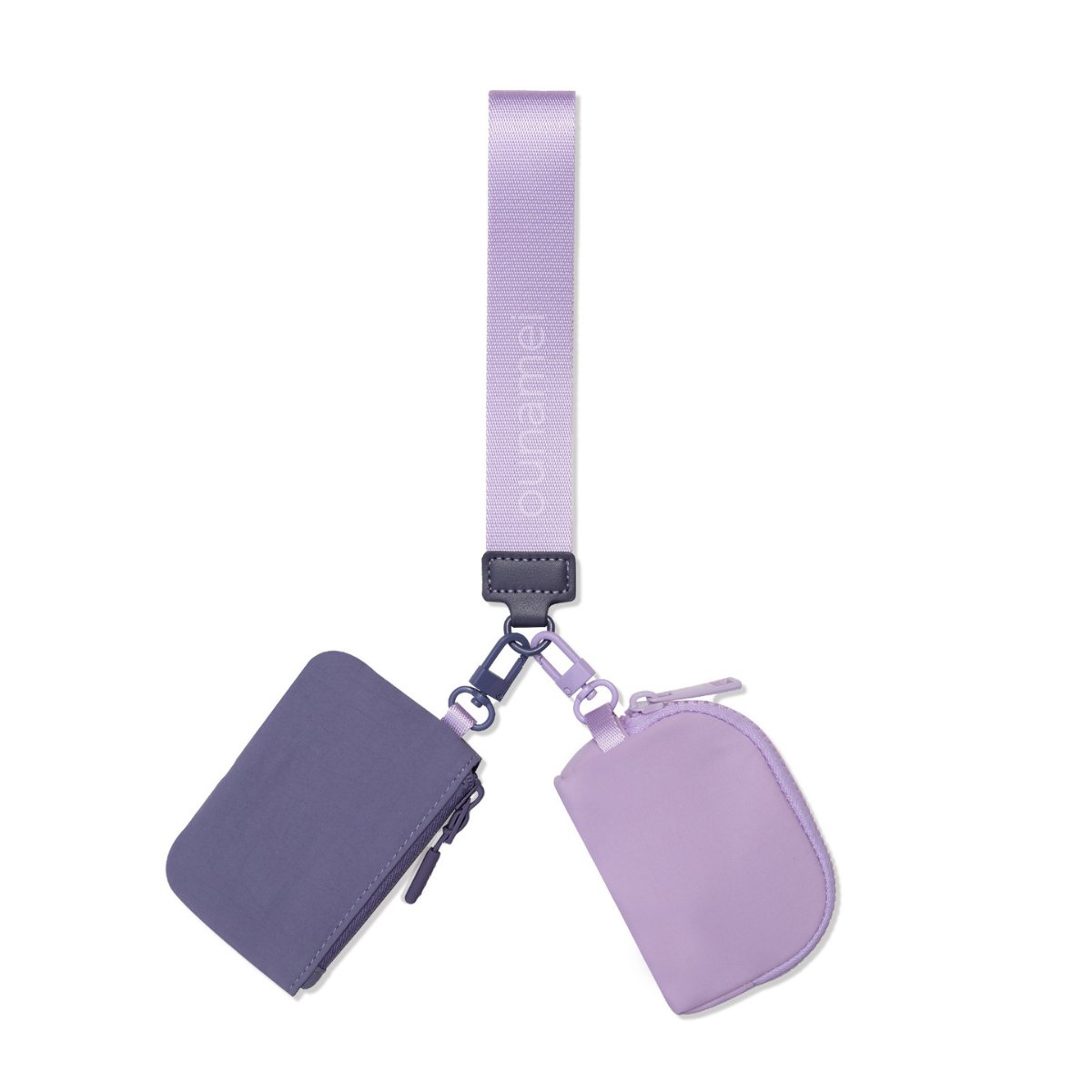
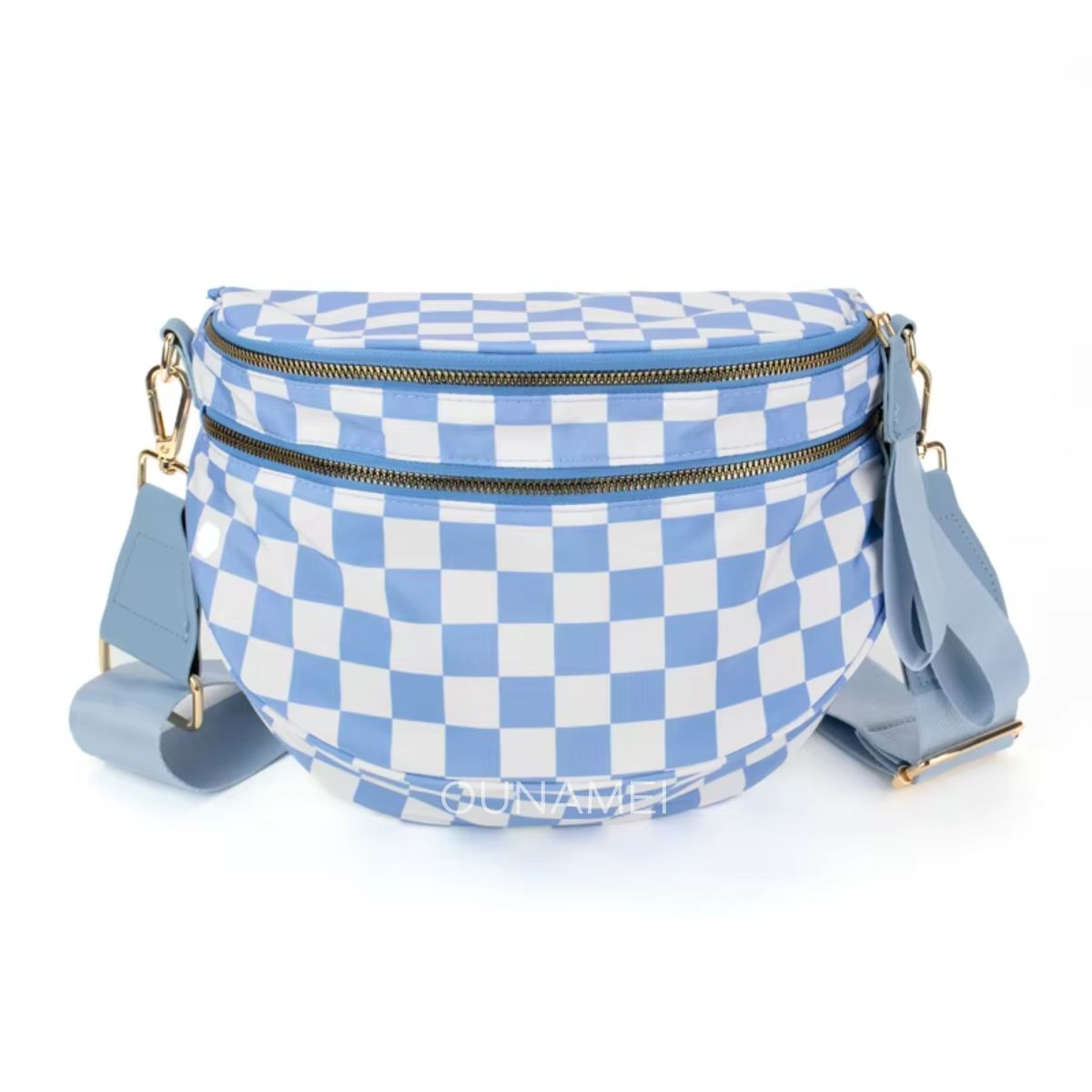
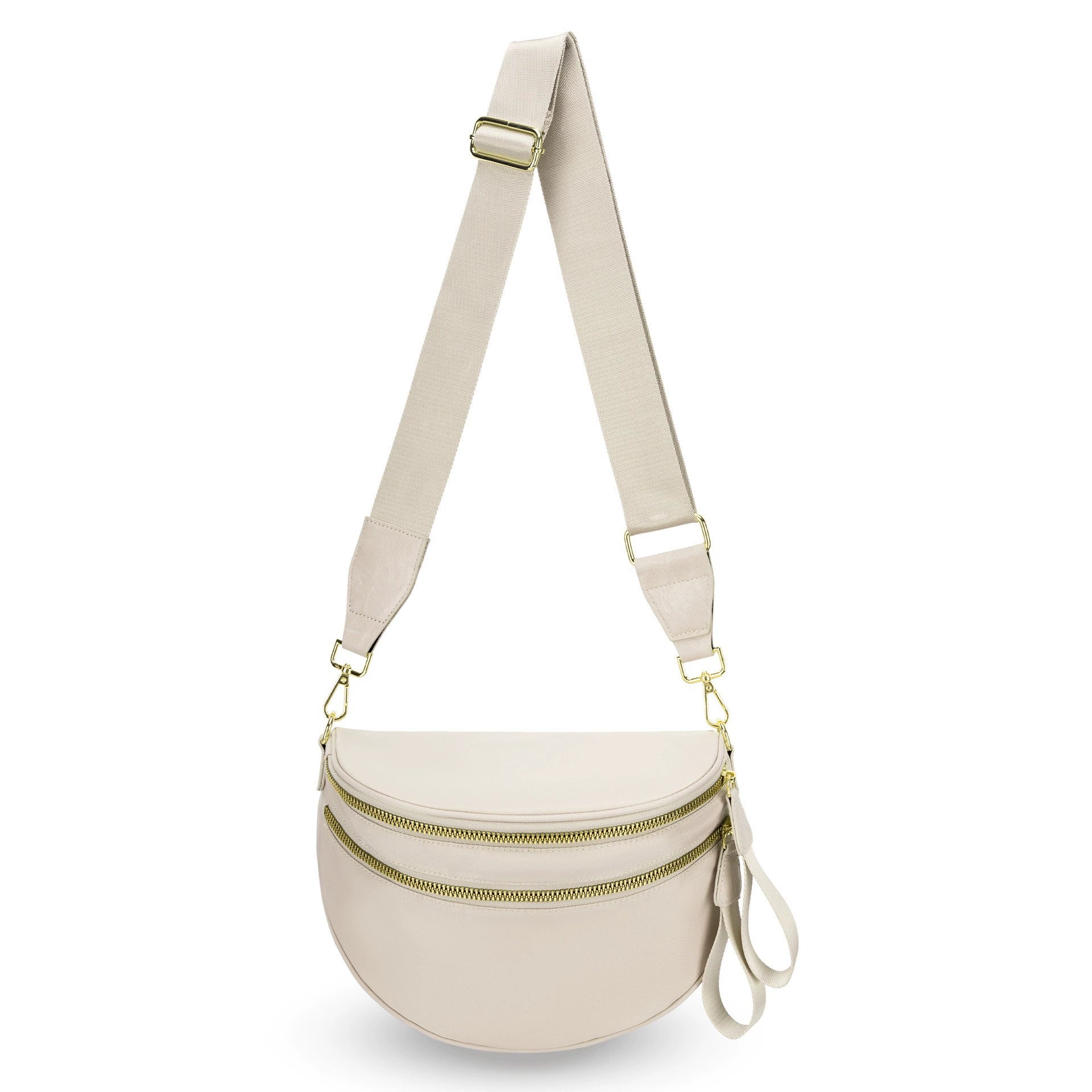
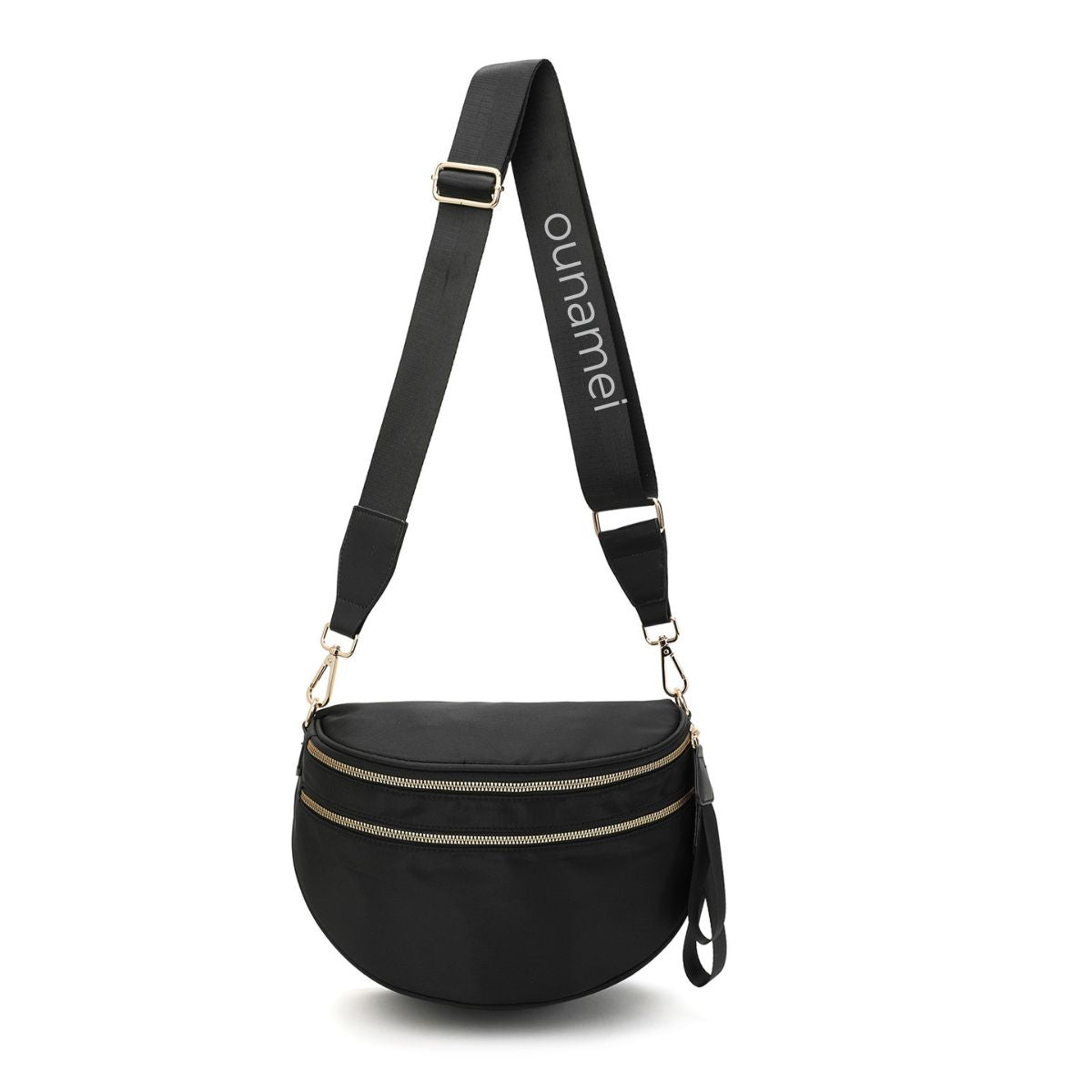
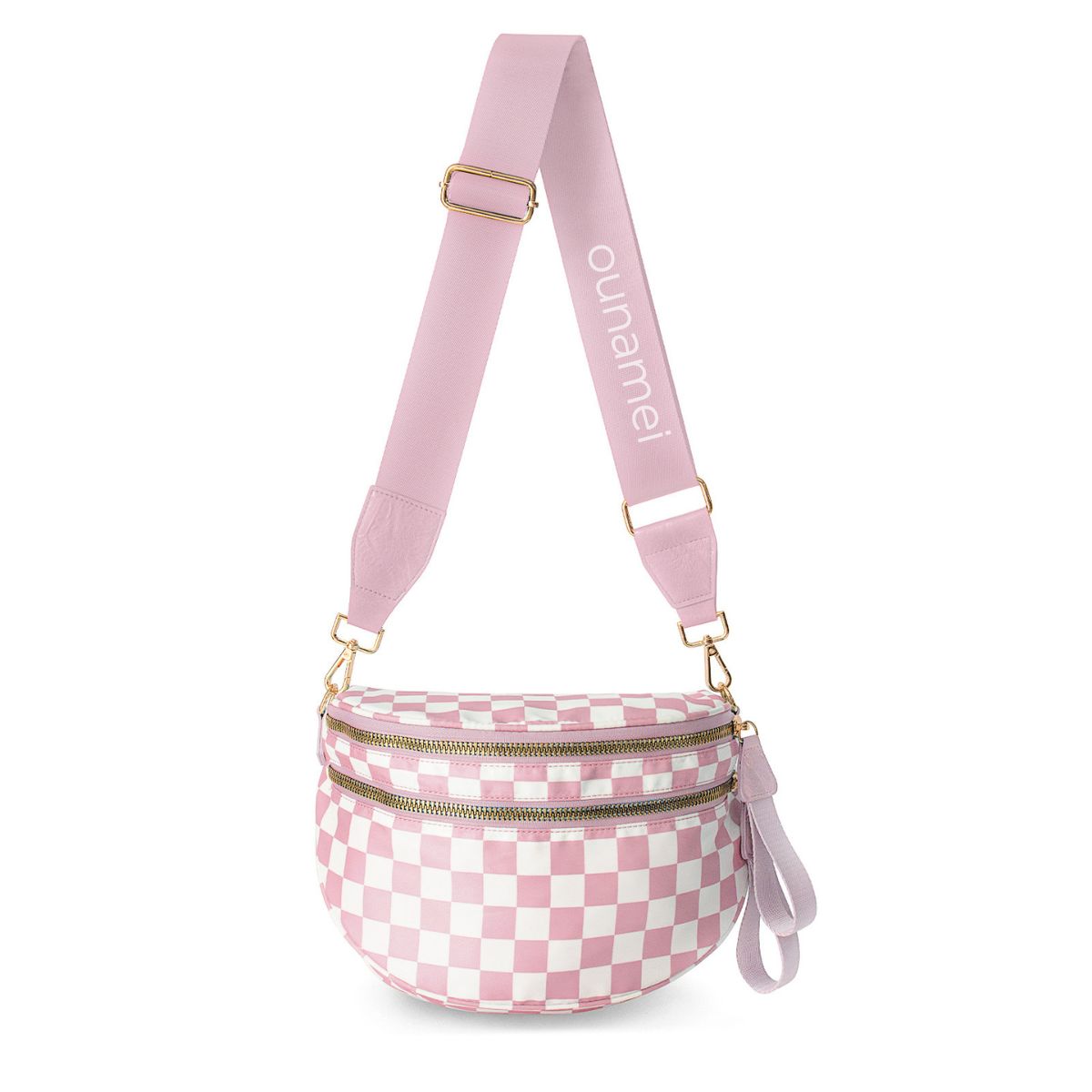
At Ounamei, we've dedicated ourselves to creating fashion tote handbags that harmonize material excellence with thoughtful design. Our Dylan Tote Bag exemplifies this philosophy, featuring premium materials selected for their environmental responsibility without compromising on luxury or functionality. We believe a great bag doesn't just carry your essentials—it carries your pace, your personality, and your presence throughout the day.
Purpose-Driven Design Features
Unlike mass-produced alternatives, each Ounamei tote undergoes rigorous material selection to ensure it meets our standards for durability, comfort, and sustainability. Our commitment to quality means you're investing in a bag that will age beautifully while maintaining its structural integrity through years of daily use.
The woven brown leather bag in our collection showcases artisanal craftsmanship that transforms traditional materials into contemporary statements of personal style.
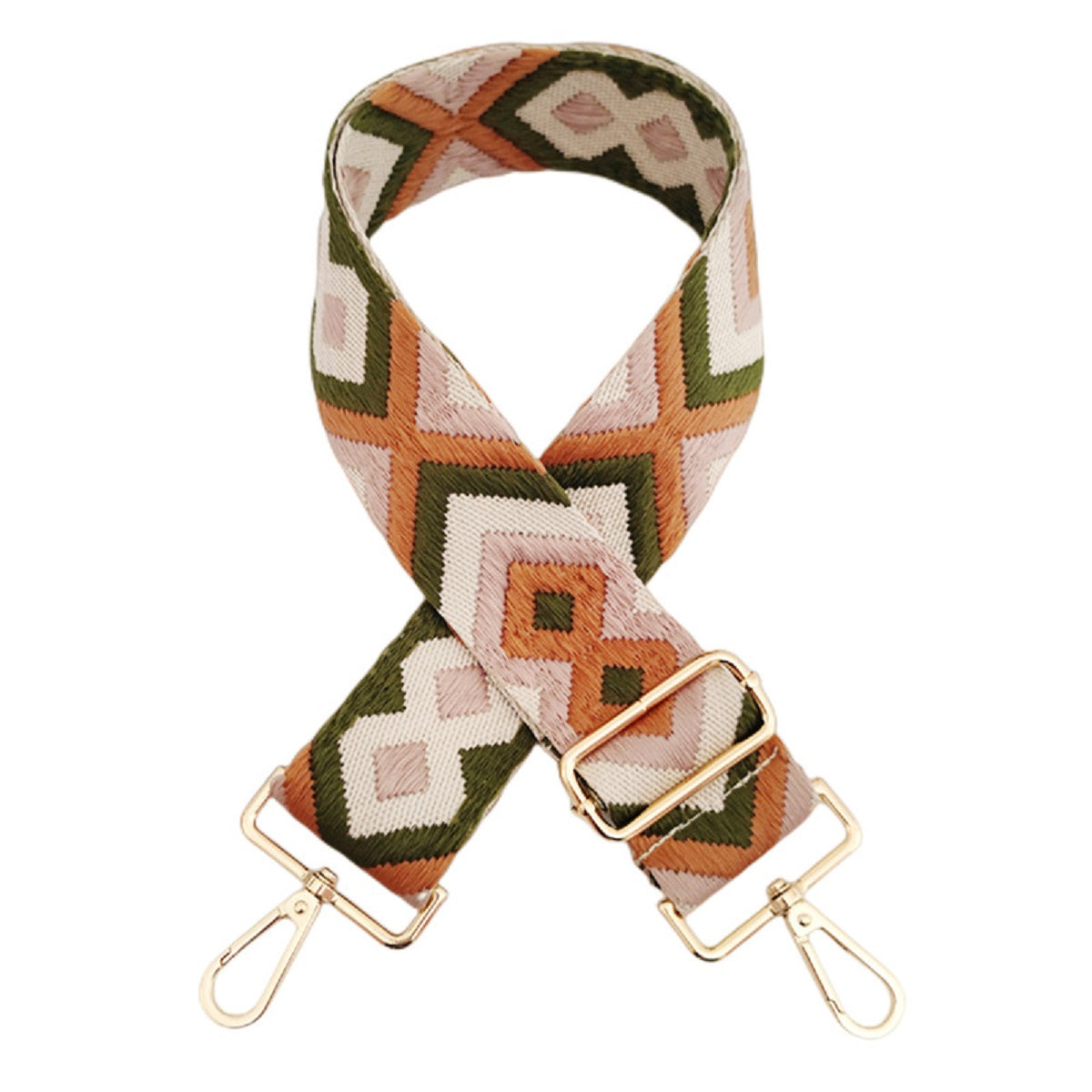
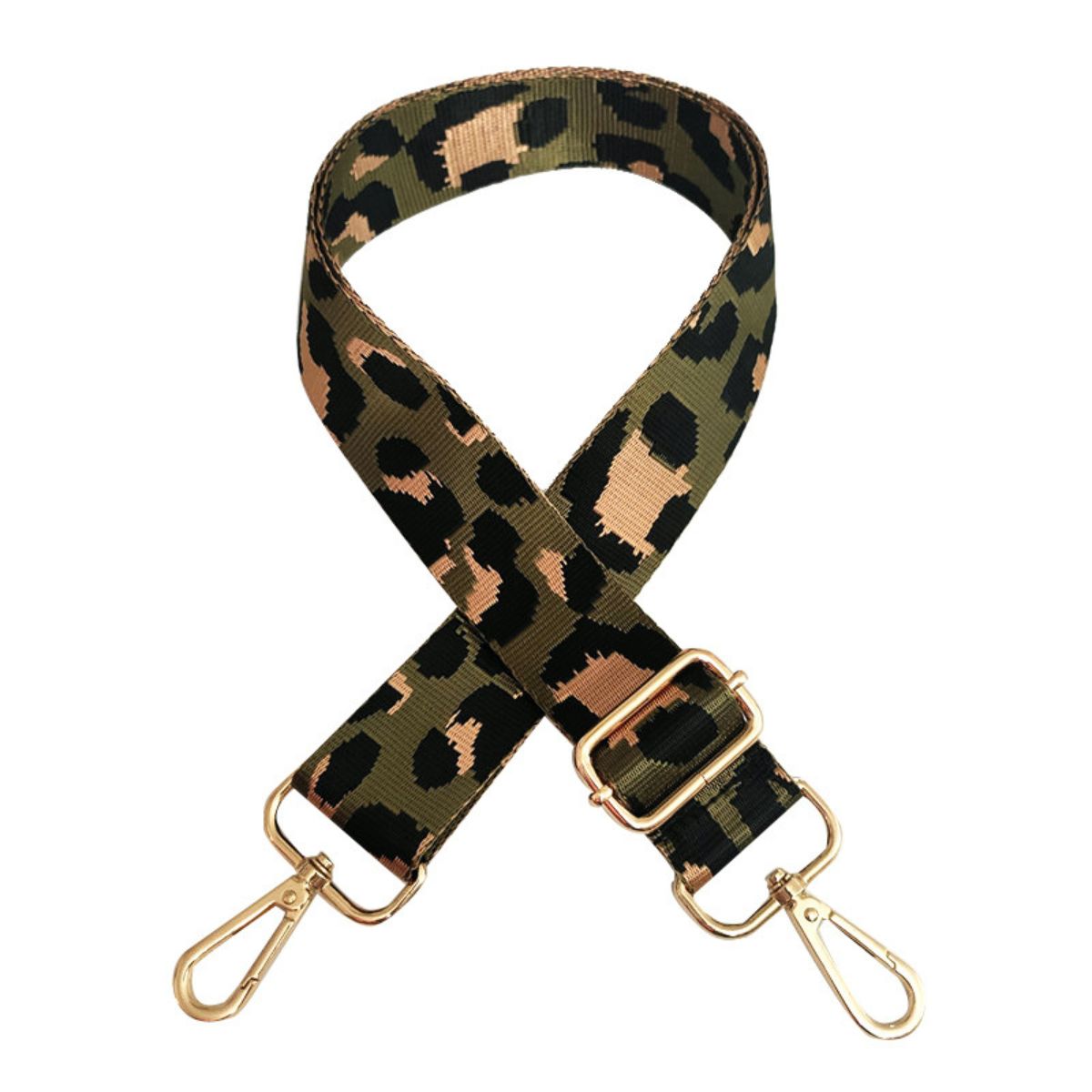
We understand that modern women need bags that work as hard as they do. That's why our fashion tote handbags feature roomy interiors with intelligent organization, convertible straps that adapt to your changing needs, and lightweight constructions that won't weigh you down. Ounamei bags are designed for the woman who carries it all—because your bag should rise to meet you, wherever life takes you.
Making Your Material Choice: A Practical Guide
Matching Materials to Lifestyle Needs
Selecting the right material for your fashion tote handbags depends on your specific lifestyle needs and values. For professional settings requiring polish and longevity, high-quality leather remains an excellent investment.
If environmental concerns top your priority list, seek out certified sustainable materials with transparent supply chains. Those needing practical, weather-resistant options might prefer innovative recycled synthetics that offer performance without compromising eco-values.
Evaluating Quality and Craftsmanship
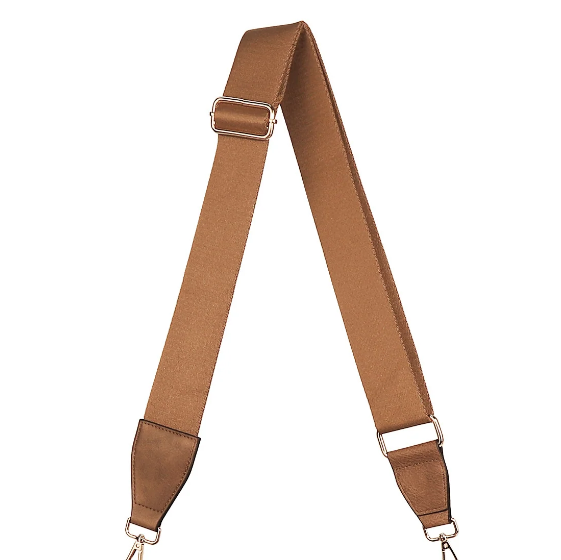
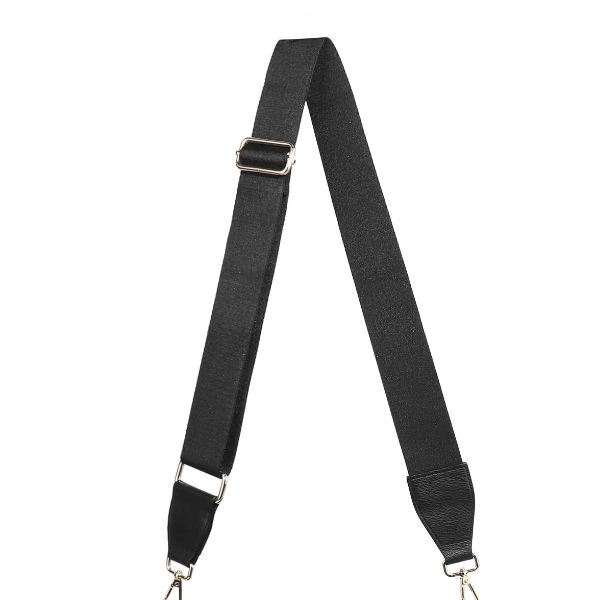
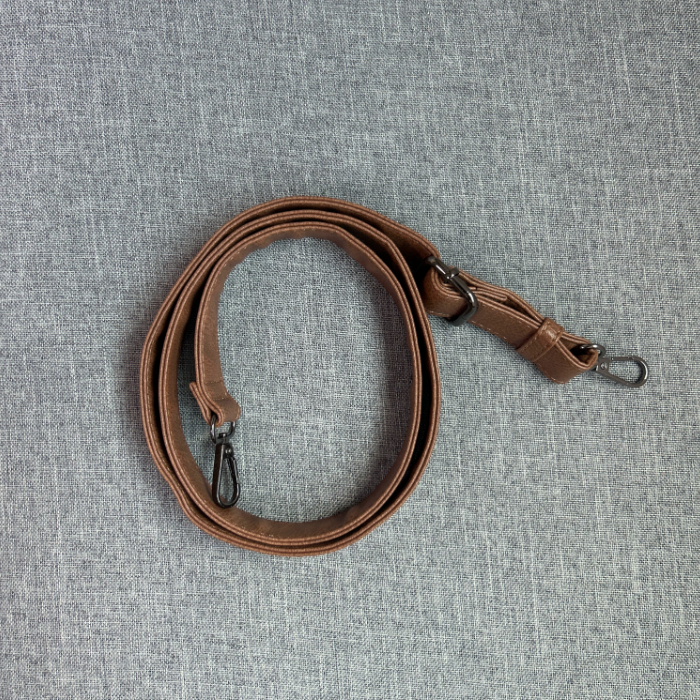
Consider trying bags in person when possible—feel the weight, test the strap comfort, and examine the construction details. A well-made bag should feel substantial without being heavy, with reinforced stress points and quality hardware.
Don't hesitate to ask brands about their material sourcing and production processes; transparency indicates accountability. Remember that the most expensive option isn't necessarily the best—it's the one that aligns with your values and serves your needs consistently over time.
Conclusion
The world of fashion tote handbags offers remarkable diversity in materials, each with unique benefits and considerations. From the timeless appeal of leather to the innovative promise of recycled fabrics, your choice reflects both personal style and values. By understanding material properties, environmental impacts, and practical performance characteristics, you can select a tote that serves you well for years to come.
At Ounamei, we believe your bag should carry more than just your essentials—it should carry your confidence through every moment of your busy life. Choose wisely, invest in quality, and let your fashion tote handbags become trusted companions on your journey.
Frequently Asked Questions
Q: What material makes the most durable fashion tote handbags?
A: Full-grain leather generally offers the highest durability for fashion tote handbags, developing a beautiful patina while becoming stronger with use. High-quality woven synthetics made from recycled materials also provide exceptional longevity with added weather resistance.
Q: Are recycled material totes as sturdy as traditional options?
A: Modern recycled materials have reached impressive performance levels. Many recycled polyester and nylon totes match or exceed the strength of virgin materials while offering reduced environmental impact—perfect for the practical bag for women who need reliability.
Q: How do I care for a woven brown leather bag?
A: Woven leather requires gentle care—use a soft brush to remove surface dirt, apply leather conditioner periodically, and store away from direct sunlight. Avoid excessive moisture, and never machine wash woven leather constructions.
Q: Which tote material is most eco-friendly?
A: Cork, Piñatex (pineapple leaf fiber), and certified organic cotton represent some of the most sustainable options. However, the most eco-friendly choice often combines sustainable materials with exceptional craftsmanship that ensures long-term use rather than frequent replacement.